• Home
  • Est. 1946
  • 2026 Rose List
  • 2026 Fruit Tree List
  • Garden Rewards
  • Newsletter
  • + Explore
    • Nursery
    • Edibles
    • Roses
    • Succulents & Cacti
    • Houseplants
    • Lazy K
    • Christmas Trees
  • Hours & Information
  • Events
  • Work With Us!
  • Gift Cards
  • Plant Care Sheets
  • Plant Warranty
  • Blog
  • 🔎 Search
  • Donation Request
  • Menu

 Orchard Nursery

  • Home
  • Est. 1946
  • 2026 Rose List
  • 2026 Fruit Tree List
  • Garden Rewards
  • Newsletter
  • + Explore
    • Nursery
    • Edibles
    • Roses
    • Succulents & Cacti
    • Houseplants
    • Lazy K
    • Christmas Trees
  • Hours & Information
  • Events
  • Work With Us!
  • Gift Cards
  • Plant Care Sheets
  • Plant Warranty
  • Blog
  • 🔎 Search
  • Donation Request

Protect Your Plants From Frost

November 08, 2016

Damaging frost seems to hit when we are simply not prepared! It comes when we are busy with holiday festivities, school functions, working late, among many other activities. With cold weather quickly approaching, learn how to protect your plants today.

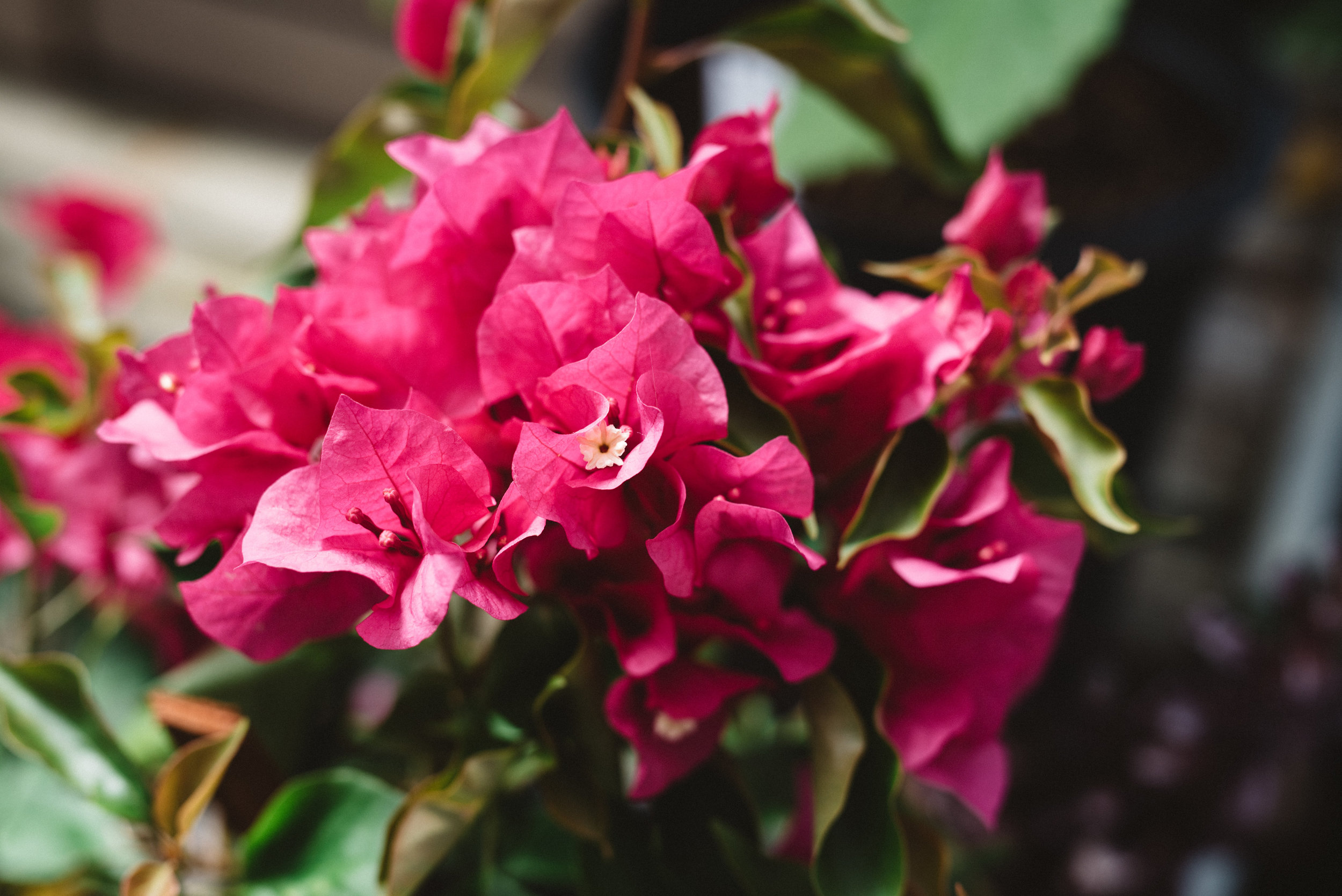
While many plants need frost protection, common frost tender plants include: Citrus, gardenia, bougainvillea, lantana, tropical hibiscus, cuphea, dwarf oleanders, many ferns and succulents.

Frost-sensitive plants living in pots can be pulled close to the house and placed under an overhang. The south side of your house is the warmest, the north side is the coldest and the west side is warmer than the east. House walls give off more heat than unheated garage walls, and fences give little protection at all. The very best spot for frost-tender plants would be under an overhang next to a large window or sliding glass door. Most of the heat lost from our homes escapes via windows. This is bad news for our heating bills, but good news for tender plants.

Frost falls almost straight down. This means that plants under a solid overhang are protected. Boston ferns hung on the edge will often be burned on the outside, but fine on the inside. The same will happen to jade plants that are not tucked in far enough. If you have no porches, putting the plants under a dense evergreen tree will often be enough.

For long-term protection, build a frame and cover it with clear plastic, making sure it does not touch the leaves. Depending on the size of the plant, tomato cages work well as frames. If the plant is particularly tender, get an extension cord and rig a light in the enclosure. Outdoor Christmas lights work great, too (the old fashioned kind, not LED). Put them on a timer so they turns on every night without fail. If your plants are frost-nipped in spite of your best intentions, don’t be in a rush to prune off the damage. Delay pruning until after threat of frost--mid to late March in our area. The damaged tops insulate the lower parts, improving your plants’ chances for a full recovery.

Finally, plants come in all shapes and sizes, and so do frost covers. Frost Protek frost covers are bags with drawstrings, ideal for the protection of hanging baskets and container plants. If your plants are in the ground, try our frost tents in several different sizes. DeWitt N-Sulate (10’ x 12’) can be easily draped over larger shrubs and small trees. We also have frost cloth by the foot (12’ wide by any length). Be sure to remove the frost blankets during daytime hours. If you prefer to use a spray, try Cloud Cover, Wilt Stop or FreezePruf to help protect your plants from frosty nights. However, keep in mind that tender succulents can be protected with frost cloth, but dislike sprays.
What You Need to Know: Planting and Harvesting Onions

November 03, 2016

Planting

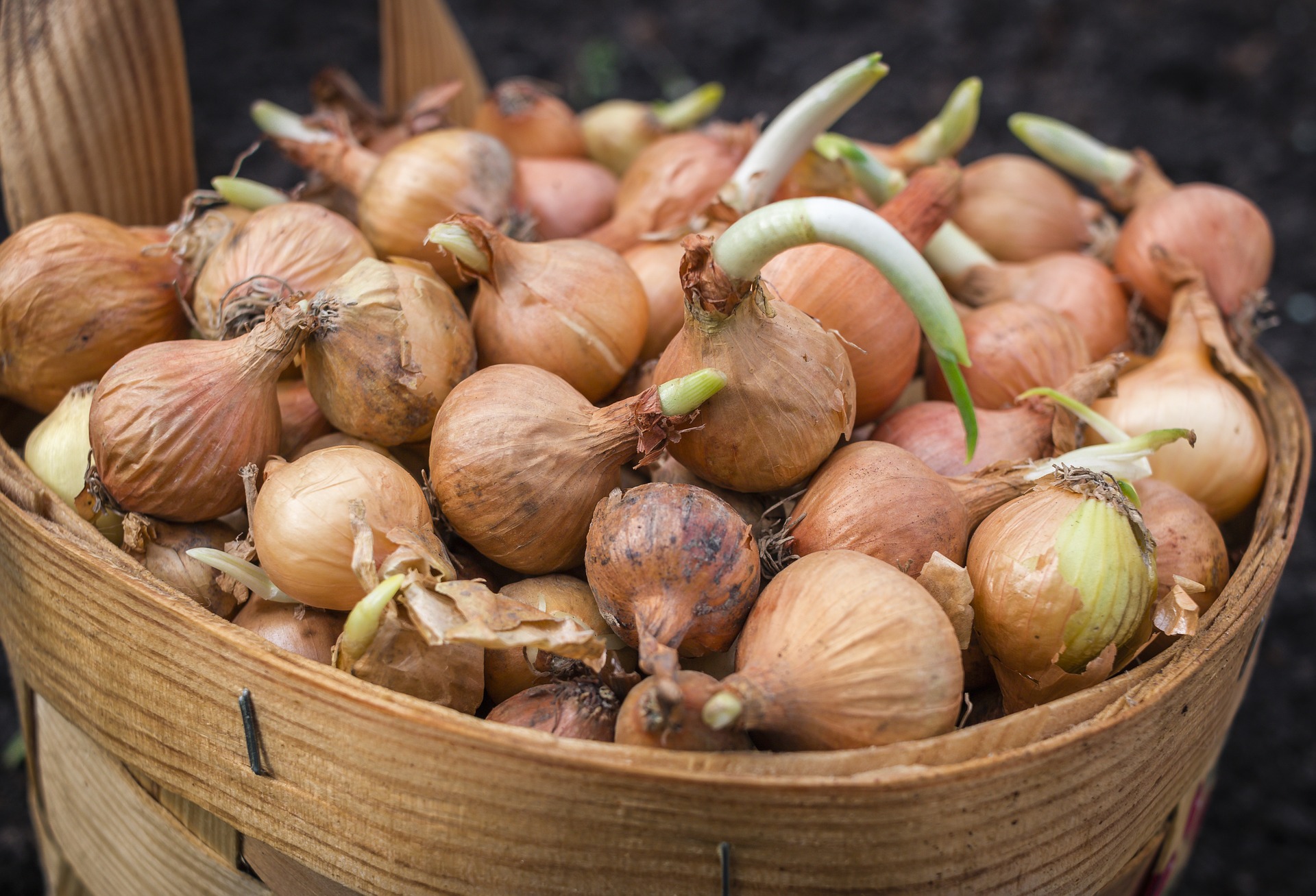
You can plant onions from either sets (bulbs) or transplants (bare root or six pack). Either way, choose a site with at least 6 hours of direct sunlight per day!

Sets: Sets are tiny bulbs that were started from seed the year before. Onion sets should be about the size of a marble. Onion sets should be firm and healthy when planted. Plant onion sets pointed end up, and cover with about 2 inches of soil. Depending on the mature size of your variety of onion, space about 3 to 4 inches apart. The bulbs need regular water to swell in size. Onions sets are available now in red, yellow and white varieties.

Transplants: Transplants generally result in larger onions than sets. Plant transplants close to the surface of the soil, spaced about 4 inches apart. Keep onions well watered throughout the season. Water stressed onions are stronger in flavor and more pungent. We'll receive one shipment of transplants (bare root) later in November, in an assortment of delicious varieties. We have transplants in six packs in stock throughout the season.

Harvesting

You can harvest onions at any stage. The plants you thin from a row can be used as green onions. However, onion bulbs are ready when about half of the tops have fallen over and the bulbs' skins have a papery feel. Bulbs allowed to remain in the ground until half or more of the green tops have fallen over will store longer. Once you see half of the tops are down, very gently coax the remaining leaves down, without breaking them off the bulb. Then allow the bulbs to sit in the ground and cure for a couple of days before you lift them. You'll have better luck digging around the onion bulbs, rather than pulling. You don't have to dig deep, just enough to loosen the remaining roots. Shake off and brush away any loose soil and let the bulbs finish curing in a warm, dry place with good air circulation. Leave the leaves on.

For storing onions, wait until the outside onion skins dry and the neck - where the leaves meet the bulbs - starts to shrivel. Then you can store them in a cool, dry location. Onions keep longer in cool temperatures (35-40 degrees F), but should not be allowed to freeze. Store onions in mesh bags or by braiding the tops together and hanging. Make sure they are not piled on top of each other, reducing air circulation. 

Employee Spotlight: Randall Barnes

October 28, 2016

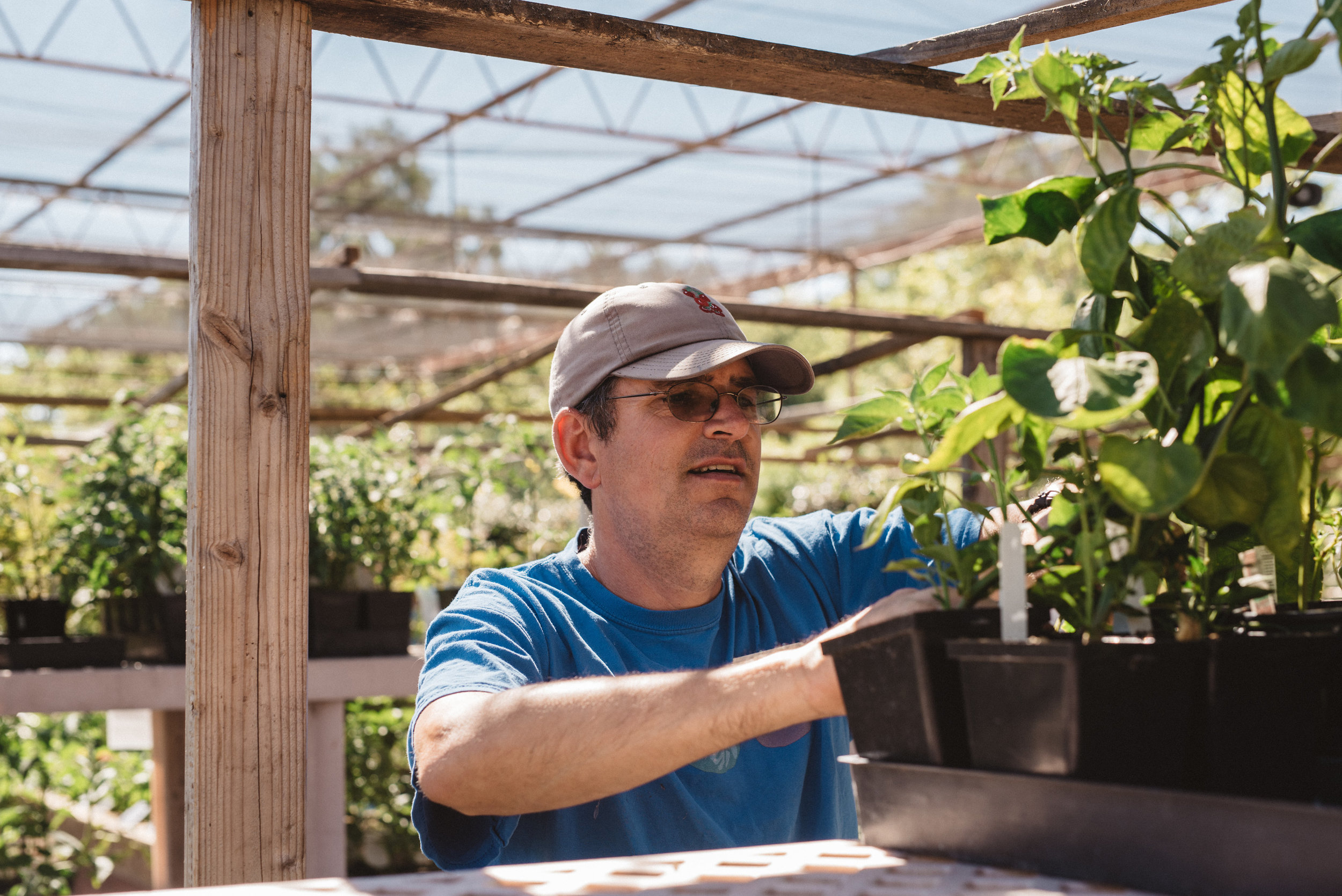
Hi, Everyone. I’m Randall Barnes, the bedding department manager at Orchard and I have been working here since April 2003.

What is your favorite part about working at Orchard?

I’m very fortunate to work and live in the same community. One of my favorite parts of working at Orchard is that each day I learn many new things; all I’ve learned has inspired me to do research with vegetables and herbs in order to develop recipes. I love experimenting in the kitchen to see the many different ways one can cook a single vegetable and pair with wine. Another favorite part of my job here at Orchard is that none of my work clothes require any dry cleaning!

What are some of your favorite memories in your time working here?

Some of my favorite memories at Orchard are the morning discussions I have with the people in my department. We share our experiences growing and cooking vegetables and then coming together at the table and enjoying a true “garden to table” meal. It has become a seasonal tradition.

What are some upcoming projects you are excited about?

A few projects I am excited about include helping to develop informational parts of our social media, continuing to design and build display structures, and developing informational cooking demo classes that will include cooking, along with discussions about growing the plants used.

What is your favorite season?

My favorite season is fall. At work, the transition from summer to fall is a fun one, with our Fall Fest running the whole month of October. Plus, it is my favorite time of year to travel and experience other culture’s celebrations of the harvest of food and wine. My favorite places to visit are Italy, Spain, France and Cornwall, England. My aunt and uncle live in Cornwall, and while I visit we go to the Farmer’s Harvest Dinner and celebrate what fields have given us. If you travel to the southern hemisphere you can experience a second spring in the same year. Western Australia is amazing with all of their wild flowers, and in the southwest is a region called Margaret River that is like the Napa Valley of Australia. The harvest season there is worth the trip alone. Last fall I went to Mexico City and Puebla. Experiencing the celebration of The Day of the Dead and doing research on peppers were just a couple of fun things I did while visiting.

What is your favorite flower to work with?

My favorite flower is the rose. I have a rose garden of about sixty rose plants that I designed to remind me of an amazing rose garden outside of Paris I visited many years ago and will never forget. The antique rose collection was phenomenal and since I’m a history buff, it had an enormous influence on me that lasts even to this day. 

Randall's Rose Garden

Randall's Rose Garden

What is your favorite vegetable to grow and cook with and why?

Wow, that’s a very hard question for me to answer. I’ll have to break it down between the warm and cool seasons. My favorite warm season vegetable is the tomato. I do so much with them all year. I make sauces, dehydrate them, can them, and love to make a fresh classic brusccheta or Caprese salad with different colored tomatoes. No matter their form, I always enjoy the amazing flavors.  For the cool season, there is a tie between kale and Brussels sprouts. My favorite way to cook kale is by making a pesto with different types of kale. It is easy to freeze that way. The difference in flavors is amazing and it’s so easy to make a comforting pasta dish on cold night. I love roasting Brussels sprouts whole to a dark crispy texture with a soft center. I do favor the cool season vegetables because they are so nutrient packed. I’ll freeze enough kale pesto to have for several months.

What is something that people might not know about you?

People may not know that vegetables aren’t all I know about. During high school, I had a small landscape maintenance business and worked at my local nursery on the weekends. Then I attended Cal Poly San Luis Obispo, graduating with a degree in Ornamental Horticulture with a concentration in Landscape Design. After that I attended Cornell University and received a Masters in Landscape Architecture. I was fortunate to have summer jobs during college at the Smithsonian Institution Office of Horticulture in Washington D.C. and the University of Hawaii at Manoa. The motto “learn by doing” from Cal Poly has followed me to this day. An education is something that no one can ever take away from you and I love sharing my knowledge with customers and co-workers.

Why You Should Remove Fall Leaves From Your Yard

October 27, 2016 in Fall

Fall is at our fingertips and there’s no way to escape the leaves. So, do you really need to spend your Saturday removing those beautiful leaves from your lawn and garden? The answer is most likely yes!

If your lawn has 10-20% leaf coverage, it might be okay, but excessive leaves on your lawn going into winter is bad for several reasons. First, the leaves will smother the grass, and if not removed, can inhibit growth in the spring, or even worse, cause sections of the lawn to die off. Second, damage from critters (voles, mice, etc.) can be more extensive in the spring if leaves are left untended. Finally, leaves carry fungal spores and bacteria from plant diseases like blight and peach leaf curl. The best way to minimize these diseases from reoccurring year after year, is to remove the fallen leaves from infected plants.

There are three main ways to remove the leaves:

  1. Rake (or blow) the leaves into a pile, let your kids or neighbors jump in the pile a few times and then compost! (Diseased leaves should not go in your compost pile; put them in your green waste bin.)

  2. Use the bagging attachment of your mower if you have one.

  3. Mulch the leaves with a mower (i.e. chop them into small pieces so they fall into the canopy); this may require more frequent mowing or several passes with the mower to sufficiently mulch the leaves. This option allows nutrients and organic matter from the leaves to benefit the lawn and soil.

So although this may not be your favorite weekend activity, it’s worth it to get those leaves cleaned up, and make the most of the crisp air and beautiful fall colors while you’re at it!

Farmer's Market Soup: Leek, Zucchini and Peas

October 19, 2016

October is such a beautiful month of transition—you can still enjoy your local farmer's market run without much more than a light jacket, but the cooler nights warrant a warm bowl of soup! This recipe combines fresh vegetables for a delicious, nutritious and simple meal!

Servings: 4-6

Prep Time: 30 minutes

Cooking Time: 1 hour

Ingredients

2 tablespoons olive oil

2 cloves garlic, diced

1 leek, white and light green part only, diced

3 medium sized zucchini, diced

1 cup of peas (fresh or frozen)

3 or 4 small new potatoes, peeled and cut into fourths

4 cups vegetable broth

Salt and pepper to taste

Fresh herbs for garnish (such as mint, basil and/or thyme)

Lemon juice to taste

Directions

Heat the olive oil in a large pot. Sauté garlic and leeks in the olive oil until soft, but not brown. Add zucchini and continue to stir for about 15 minutes. Season with salt and pepper.

Add vegetable broth and bring to a gentle boil. Turn down heat to simmer and add potatoes. Simmer for 20 minutes or until vegetables are soft. Add peas and cook for an additional few minutes.

Puree soup in a blender to your liking. Some people prefer to leave in some chunks of vegetables.

Taste and season. Before serving, add juice of half a lemon and garnish with fresh basil, mint or other herbs.

This recipe is from the website of Kaiser Permanente: Food for Health, Recipes for Life.

Photo credit: Netherland Bulb Company

Photo credit: Netherland Bulb Company

Spring-Blooming Bulbs to Buy and Plant Now

October 18, 2016

Now that we've had a good rain and the soil temperatures are cooling down, it's a great time to plant spring-blooming bulbs. There are so many beautiful choices to plant this fall, something for every garden. Are deer and gophers a problem in your garden? Try narcissus (daffodils), allium or fritillaria. Lots of shade? Plant ipheon, eranthis, scilla or galanthus (snowdrops). Early blooming narcissus work great under deciduous trees because they bloom before many trees leaf out in the spring. Looking for fragrance? Freesia and hyacinth smell amazing! Are you adding to your cutting garden? Tulips are beautiful cut flowers, and we have over 50 varieties to choose from. (Tulip tip: Our tulips are pre-chilled, so you only need to refrigerate them if you want them to have longer, stronger stems for cut flowers. Parrot tulips and other late season blooming tulips make the best cut flowers.) Don't forget ranunculus and Dutch iris when planting for cut flowers!

Plant flower bulbs this fall, and then plant pansies right over the bulbs. (Tulips and daffodils work nicely with pansies.) The bulbs will bloom as usual in spring and the pansies will give you color this fall. This is a great way to get more color in your garden and you won't have to plant again until it's time to plant summer annuals. This is an easy way to get gardening done for two seasons at once!

Caring for Perennials This Fall

October 14, 2016

Perennials are some of our most rewarding plants, giving masses of colorful blooms and beautiful foliage. Perennials are typically non-woody plants that last in the garden for more than two years, and usually for many years. Most perennials are herbaceous, dying to the ground in winter, but growing back fresh and beautiful in spring. A few are evergreen or have a modest woody structure.

Some of our favorite perennials:

  • Evergreen
  • Acanthus
  • Day Lilies (some)
  • Euphorbia (many)
  • Ferns (many)
  • Germander
  • Penstemon
  • Shasta Daisy
  • Herbaceous
  • Agastache
  • Erigeron
  • Gaillardia
  • Hardy Geranium
  • Lamium
  • Nepeta
  • Rudbeckia
  • Salvia (many)
  • Semi-Woody
  • Autumn Sage
  • Lavender
  • Leonotus

Evergreen perennials don’t need to be cut to the ground, but to keep them tidy, remove shabby old growth and cut the remainder back to 6-12 inches.

Semi-woody perennials can be pruned hard, usually removing 1/3 to 2/3 of the old growth to keep them compact and fresh. The exception is lavenders, which are best pruned after their first flush of bloom in spring or summer.

 Essentials for fall care of perennials:

  • Keep watering. Because the days are shorter and we receive some morning dew, plus an occasional rain, cut back on your watering schedule a little, but continue watering your perennials until the rains come. Even drought tolerant plants need some water to keep them alive. It is important to water deeply and less often to encourage roots to go down where moisture stays longer. Newly planted perennials need special attention to make sure they don’t dry out completely.
  • Give your perennial a fall feeding. Use Black Forest compost mulch (3-4 inches on top of the soil), which feeds the perennial and keeps the weeds down, or use a fertilizer marked 0-10-10. We recommend Master Nursery Master Bloom or EB Stone Ultra Bloom Plant Food. Fall feeding increases the amount and size of summer flowers and helps grow strong roots.
  • Cut herbaceous perennials back in the late fall as they are going into dormancy and losing their leaves. Compost cuttings or put in the green waste to help keep insect pests from overwintering in the garden.
  • Divide perennials. Many perennials, including Shasta Daisies, Day Lilies and Achilleas appreciate being divided every 3-4 years. You can tell they need to be divided if the flowers are smaller than they were a year or two ago, if they have outgrown their location or if they have a bald spot with nothing growing in the middle of the clump. To divide perennials, dig them up, cut the clump in half or smaller and replant (using starter fertilizer) giving them space to grow, or share some with a friend.

Prev / Next

Keep reading!

Featured
Nov 16, 2018
The Story Behind our Harvest Fest Farm Animals
Nov 16, 2018
Nov 16, 2018
Nov 2, 2018
How To: Revive Your Houseplants
Nov 2, 2018
Nov 2, 2018
Aug 6, 2018
How To: Preserving Herbs
Aug 6, 2018
Aug 6, 2018
Jun 28, 2018
From The Orchard: Stone Fruit
Jun 28, 2018
Jun 28, 2018
May 23, 2018
Blueberries 101
May 23, 2018
May 23, 2018
Apr 6, 2018
The Herb List
Apr 6, 2018
Apr 6, 2018
Feb 26, 2018
Lilacs 101
Feb 26, 2018
Feb 26, 2018
Aug 15, 2017
Citrus Care 101
Aug 15, 2017
Aug 15, 2017
Jul 7, 2017
Bougainvillea 101
Jul 7, 2017
Jul 7, 2017